Saturday 14 / November / 2026
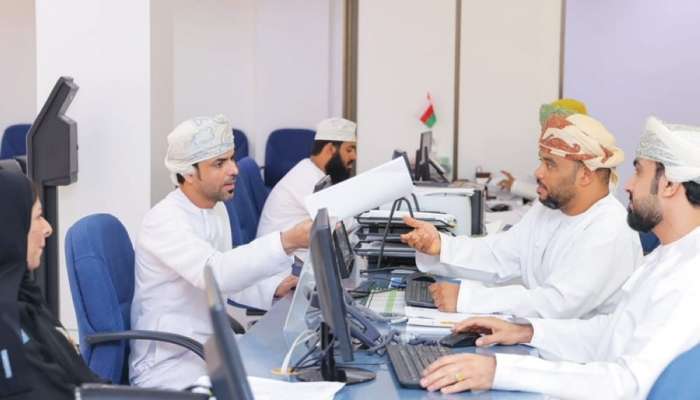
Muscat: Oman's Ministry of Labour has achieved 89 per cent of its 2026 employment and training targets, providing 53,525 opportunities out of the 60,000 targeted by the end of September, as part of efforts to modernise the labour market and strengthen national workforce participation.
The achievements form part of the ministry's initiatives to implement Oman Vision 2040 and the Eleventh Five-Year Plan (2026–2030), focusing on employment generation, skills development, institutional efficiency and stronger partnerships with the private sector.
Under the National Employment and Skills Development Plan, the 60,000 opportunities targeted for 2026 were distributed across three main sectors. These include 10,000 opportunities in the civil, military and security government sectors, 17,000 through government-supported employment programmes, including wage support and training linked to employment, and 33,000 in the private sector.
The ministry also launched the National Employment Policy during the Labour Forum 2026 to strengthen coordination between employment, education and training policies and align national skills with the requirements of economic sectors.
Its strategy under the Eleventh Five-Year Plan includes 17 strategic programmes across three priorities, with 12 programmes focusing on the labour market and employment. Initiatives planned for 2028 and 2029 include expanding freelance platforms, strengthening partnerships to employ national talent in priority sectors and increasing Omani representation in supervisory, technical and specialised private-sector positions.
To diversify employment opportunities, the ministry launched the Seasonal Work Platform during the third edition of the Labour Forum in Dhofar Governorate. The platform aims to connect job seekers with temporary employment opportunities linked to seasonal activities and events.
The Namaa initiative, implemented in partnership with Namaa Water Services Company, also expanded its training and employment programme. Its third phase announced 303 new job opportunities through companies undertaking permanent operation and maintenance contracts across ten governorates. The programme has provided a cumulative 1,188 opportunities through its three phases.
The ministry also organised job fairs for people with disabilities in Dhofar and North Al Batinah, offering more than 367 employment opportunities in cooperation with private-sector companies. It has allocated 2 per cent of total job advertisements to people with disabilities to promote equal employment opportunities and workplace inclusion.
In public-sector human resources management, 2026 witnessed the implementation of a new promotion system for Omani civil servants across government units, with OMR10 million allocated for the year. The system places greater emphasis on performance, efficiency and merit alongside seniority.
The ministry also introduced the Masar initiative to support professional qualifications by reimbursing employees for the costs of obtaining certifications relevant to their jobs. The platform currently includes more than 200 professional certificates, with plans to expand its coverage to additional fields and employees in both the public and private sectors.
Another major initiative was the launch of the National Strategy for Professional Standards, aimed at aligning education and vocational training outcomes with labour market requirements, improving training quality and strengthening skills-based employment.
The ministry continued developing vocational colleges through the Competency Qualification Programme, while its 2026–2030 vocational training development plan includes 20 projects linked to the Eleventh Five-Year Plan.
The Bridge programme, implemented in cooperation with the Ministry of Labour, seeks to equip higher education graduates with practical skills aligned with labour market needs. Each batch accommodates 40 trainees over 24 weeks.
To encourage excellence in government institutions, the ministry launched the Excellence Card during the Individual and Institutional Excellence Forum in Dhofar in August 2026. The initiative targets approximately 213,000 employees across 67 government institutions and provides around 250 offers covering restaurants, cafes, hotels and entertainment services.
In governance and risk management, the ministry, in cooperation with the National Risk Register, introduced the National Framework for Corporate Risk Management Governance to standardise risk management practices across government entities and strengthen institutional preparedness and service continuity.
Meanwhile, the Institutional Excellence System evaluated 64 government units by 2026, conducted more than 150 workshops and analysed over 12,000 performance indicators. Seventeen government units met the required audit criteria, while 45 service outlets across the governorates were honoured.