Sunday 20 / September / 2026
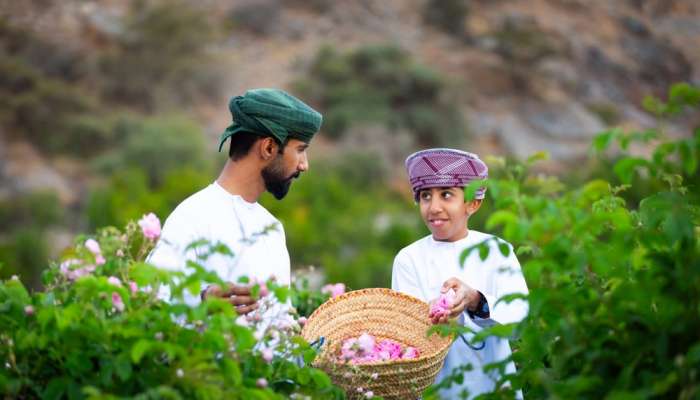
Muscat: Al Jabal Al Akhdar is entering a new phase of tourism development with its selection as the Gulf Tourism Capital for 2027.
This selection is based on the growth of tourism, the diversity of its natural, agricultural, cultural, and heritage assets, and parallel development and service projects and tourism investments that are preparing the region to capitalize on this achievement by expanding economic activity and enhancing the participation of the private sector, small and medium-sized enterprises, and the local community.
Data issued by the National Centre for Statistics and Information indicates that Al Jabal Al Akhdar attracted approximately 101,608 visitors during the first half of 2026. Hotel revenues reached approximately OMR 7.8 million by the end of July of the same year, with 44,365 guests and an occupancy rate of 32.1 percent.
Sheikh Mahmoud bin Rashid Al-Saadi, Governor of Nizwa, contributed significantly to the positive impact of Oman's selection of Jabal Akhdar as the Gulf Tourism Capital for 2027.
He stated that this selection presents an opportunity to advance the region's position on the Gulf tourism map, building upon its natural, agricultural, cultural, and historical assets, and developing a more diversified tourism sector that contributes to the economic development of the region.
Al-Saadi added that the selection process, which will lead to a diversified approach by 2027, aims to prepare Jabal Akhdar for tourism by fostering a diverse range of businesses, artisans, and farmers involved in tourism-related commercial activities.
He further explained that achieving the goals of this selection requires collaboration between government agencies and the local private sector, ongoing efforts to develop essential services and infrastructure, commercial and tourism events, and support for environmental protection and the preservation of the region's unique natural character and identity.
Al Jabal Al Akhdar boasts a diverse array of tourism assets, including its mountainous terrain, temperate climate, agricultural diversity, heritage villages, traditional irrigation systems (aflaj), historical sites, mountain trails, and rich cultural and social heritage. This provides ample opportunities for developing nature, rural, agricultural, ecotourism, and adventure tourism.
Issa bin Saleh Al Subaihi, Director of the Small and Medium Enterprises Development Authority (Riyada) in Al Dakhiliyah Governorate, noted the presence of 246 small and medium enterprises (SMEs) in Al Jabal Al Akhdar, along with 11 artisans and 44 registered artisans. This provides a local base that can capitalize on the growth of tourism in areas such as accommodation, hospitality, restaurants, cafes, transportation, tourism activities and experiences, as well as marketing agricultural and handicraft products and organizing tourism events and programs.
He added that agricultural activity constitutes a key component of the economic and tourism identity of Jabal Akhdar, with a diverse range of agricultural products and projects including pomegranates, olives, saffron, roses, aromatic plants, cash crops, and integrated farming. There are currently 14 agricultural investment projects covering a total area of approximately 166 acres, with an investment value of OMR 3.5 million .
The wilayat is also witnessing the implementation of a package of development and service projects exceeding OMR 5.7 million . These include developing the road network, improving the efficiency of public facilities, enhancing health and administrative services, as well as tourism and investment projects linked to the state's urban and tourism growth.
Ongoing projects include consultancy services for the design of a dual carriageway and the development of a 5-kilometer entrance to the Wilayat of Al Jabal Al Akhdar, which is 90 percent complete. Consultancy services are also underway for the development of a park investment plan for Al Jabal Al Akhdar, with a 50 percent completion rate. The Wilayat has also seen the rehabilitation of the dirt road leading to the villages of Ma'bat, Al Zakat, Hayl Al Tinah, Hayl Al Ashishat, and Qayut. The maintenance project for the Marwah road is 40 percent complete, and the second phase of the Wilayat's internal road project, covering 3.7 kilometers, has reached the contracting stage.
Investment projects in the Wilayat include the Al Jabal Al Aali project, with an estimated investment value of OMR 1.2 billion . This project, covering an area of 11.8 square kilometers at an altitude of approximately 2,400 meters above sea level, aims to create an integrated community capable of accommodating around 10,000 people. It will provide more than 2,500 residential units and 2,000 hotel rooms, in addition to tourist, recreational, cultural, and sports facilities. The wilayat witnessed the completion of several development projects, including the Al Jabal Al Akhdar Public Park, built on an area of 20,000 square meters. The park includes recreational and service facilities, open spaces, and landscaping. Additionally, a 7-kilometer road construction project was completed to improve connectivity between villages and residential areas and keep pace with urban expansion in the wilayat .
Ahmed bin Hamad Al Nabhani, a member of the Municipal Council representing Al Jabal Al Akhdar, stated that the wilayat's selection opens up broader opportunities for small and medium-sized enterprises (SMEs), entrepreneurs, artisans, and farmers to benefit from tourism. This can be achieved through developing services and products, expanding investment and partnership opportunities, and marketing agricultural, artisanal, and local products.
Walid bin Saif Al Zakwani, also a member of the Municipal Council representing Al Jabal Al Akhdar, emphasized that capitalizing on Al Jabal Al Akhdar's selection as the Gulf Tourism Capital requires active participation from the local community. This includes preserving tourist sites, trees, traditional irrigation systems (aflaj), terraces, and local heritage, as well as providing a warm welcome to visitors and offering an experience that reflects the authenticity of Omani society and the unique character of the region.
Preparations for 2027 are geared towards raising the readiness of the Al Jabal Al Akhdar region, developing the tourism product and taking advantage of the economic opportunities associated with tourism, within the framework of integrated roles between government agencies, the private sector and the local community, while preserving the natural, agricultural, cultural and heritage assets that constitute the identity of the Al Jabal Al Akhdar.