Friday 28 / August / 2026
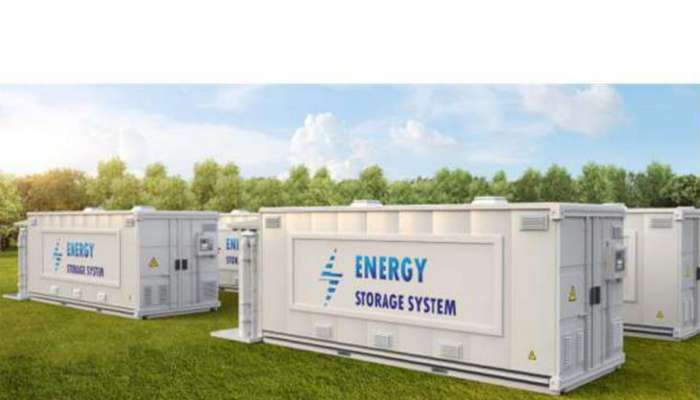
New Delhi: India is preparing a new incentive programme worth up to ₹13,000 crore ($1.37 billion) to encourage domestic manufacturing of advanced battery cell components and reduce the country’s dependence on Chinese imports, according to people familiar with the proposal.
The initiative is part of the government’s broader push to build a self-reliant battery supply chain for electric vehicles and energy storage, while narrowing the cost gap with Chinese producers, which dominate global battery manufacturing.
The proposal is expected to be considered by the Expenditure Finance Committee of the Ministry of Finance following inter-ministerial consultations. The final allocation, eligibility criteria and structure of the scheme are yet to be announced.
The proposed incentives will target five critical battery components: anode active materials, cathode active materials, electrolytes, separator film and copper foil. Indian battery manufacturers currently source a significant share of these inputs from overseas suppliers, particularly China.
The government views the development of domestic component manufacturing as an important energy-security and strategic priority, as dependence on imported materials can expose battery producers to supply disruptions, higher costs and geopolitical risks.
The new programme would complement India’s existing ₹18,100 crore Production Linked Incentive (PLI) scheme for Advanced Chemistry Cell battery storage, launched in 2021 to establish 50 GWh of domestic advanced battery cell manufacturing capacity.
However, implementation of the existing programme has faced delays. The Ministry of Heavy Industries has cited challenges including limited access to technology, shortages of skilled workers, dependence on critical imported equipment and the non-availability of upstream components.
As of early 2026, 40 GWh of capacity had been awarded under the existing programme to four beneficiaries, while companies including Tata Group, Exide Industries and Amara Raja Energy & Mobility have also been developing battery-cell capacity outside the government scheme.
The latest proposal is aimed at filling a key gap in India’s battery strategy: developing the upstream materials and components needed to support large-scale domestic cell production.
If approved, the incentives could help create a more integrated battery manufacturing ecosystem in India, potentially lowering production costs, improving supply security and supporting the country’s transition to electric mobility and renewable-energy storage.