Wednesday 29 / July / 2026
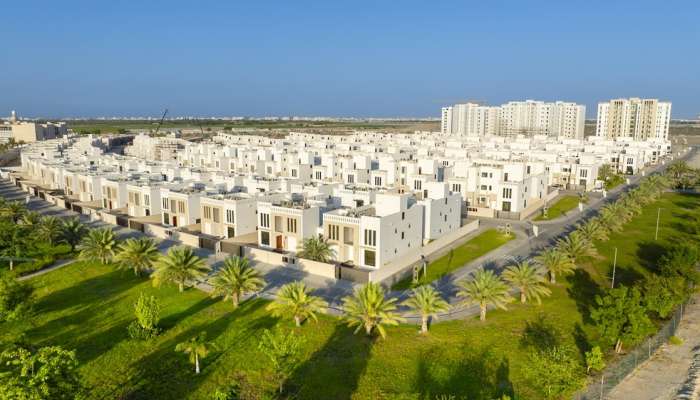
Muscat: Oman's property market continued to demonstrate resilience during the second quarter of 2026, with property transaction values rising and foreign investment remaining on an upward trajectory despite ongoing regional geopolitical tensions.
The total value of property transactions reached OMR1.43 billion by the end of June 2026, representing a 5.4% increase compared with the same period last year, sccording to Savills latest Oman Property Market Q2 2026 report. The number of property contracts also increased by 12.2%, while mortgage activity remained broadly stable, declining marginally by 0.3%, the report added.
Meanwhile, foreign direct investment (FDI) in Oman's real estate sector also continued to grow, reaching OMR602.5 million by the end of first quarter (Q1) of 2026, up 1.2% year-on-year, reflecting sustained investor confidence in the Sultanate's long-term real estate market.
The report highlights that, while Oman experienced a modest economic slowdown during the first quarter, the country's medium-term outlook remains positive. Oxford Economics forecasts gross domestic product (GDP) growth of 6.3% in 2027 and 7.1% in 2028, supported by higher oil production, resilient non-oil activity, continued government investment and the country's business-friendly policy environment.
"Despite ongoing regional uncertainty, Oman's property market continues to demonstrate resilience, supported by improving investor confidence, a stable economic environment and continued government investment,” said Ihsan Kharouf, Head of Oman at Savills Middle East.
“The increase in transaction values and sustained foreign investment highlight the market's long-term appeal, while ongoing infrastructure development and economic diversification continue to strengthen the country's investment proposition,” he added.
“The market's medium-term outlook remains positive, with demand expected to be supported by Oman's strategic location, expanding logistics sector and continued policy initiatives aimed at attracting investment and sustainable economic growth."
Within the residential market, established communities continued to demonstrate differing performance across rental segments. Al Mouj maintained its position as Oman's premium residential destination, with average monthly apartment rents reaching OMR664, while remaining the market leader in the four-bedroom villa segment with average rents of OMR 1,700. Established residential areas also recorded notable rental growth during the quarter, with apartment rents in Qurum increasing by 16% and four-bedroom villa rents in Madinat Sultan Qaboos rising by 22%, reflecting sustained demand for well-managed accommodation alongside limited supply.
Muscat's office market also remained broadly stable during the second quarter of 2026. Rental rates across the Central Business District (CBD) and Qurum were unchanged, while Ghubrah and Azaiba recorded modest rental growth of 4%, reflecting continued occupier demand across established office locations.
Looking ahead, the report expects Oman to remain well positioned to benefit from evolving regional trade patterns. With ports in Salalah, Duqm and Sohar strategically located outside the Strait of Hormuz, the country continues to strengthen its role as a regional logistics hub, supporting increased demand for warehousing, logistics and trucking services while reinforcing the long-term outlook for the commercial property sector.