Sunday 05 / July / 2026
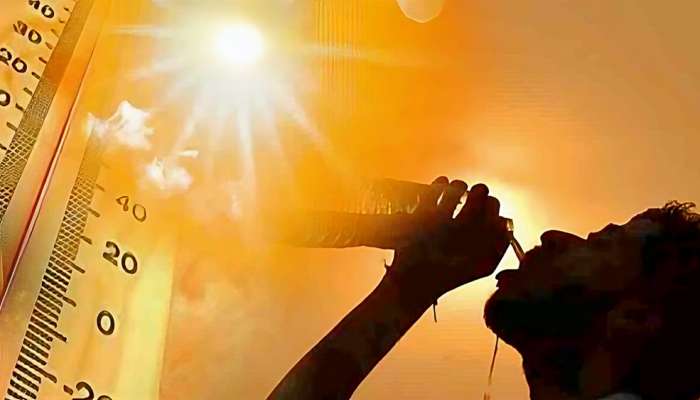
Muscat: Oman recorded a scorching high of 50.4°C in Mahout during June 2026, while Jabal Shams registered the country’s lowest temperature at 11.1°C, according to monthly weather statistics released by the Civil Aviation Authority (CAA).
The CAA’s data highlighted the five highest and lowest temperatures recorded across the Sultanate during the month. After Mahout’s 50.4°C, the next highest temperature of 49.4°C was recorded in Barka, Damaa and Al Tayeen, and Fahud, while Qarn Al Alam registered 48.4°C.
On the cooler end of the scale, Jabal Shams topped the list with 11.1°C, followed by Saiq at 16.8°C, Al Ashkharah at 18.0°C, Jabal Harem at 18.2°C, and Dhalkut at 20.4°C. Dhalkut in Dhofar recorded the highest rainfall during June, receiving 55 mm of rain, the CAA said.
According to the authority’s monthly weather report, Jabal Shams recorded the second-highest rainfall at 18.4 mm, followed by Saiq with 16.6 mm, Ibra with 12.2 mm, and Qayroun Hairiti in Dhofar with 11.2 mm.
The figures highlight the wide variation in weather conditions across Oman during June, with intense summer heat prevailing over much of the country while rainfall remained concentrated in parts of Dhofar and the mountainous regions.
The monthly statistics form part of the CAA’s regular weather reports, which track temperatures, rainfall and other climatic conditions across the Sultanate.
Health warning
As summer continue across the Sultanate of Oman, the Ministry of Health has intensified public awareness efforts, urging people to take preventive measures against heat stress and sunstroke, particularly among vulnerable groups who face a higher risk of serious health complications.
Dr. Shamsa Al Harthy, Head section of school and university health programmes at Ministry of Health, said that elderly aged 65 and above, infants and children under four years old, outdoor workers exposed to direct sunlight, employees working in enclosed spaces without air conditioning, and pilgrims are most susceptible to heat stress and sunstroke.
She explained that heat-related illnesses can develop rapidly and may become life-threatening if not recognised and treated promptly.
Among the symptoms that require immediate medical attention are excessive sweating, severe fatigue, headaches, nausea, vomiting, dizziness, extreme thirst, muscle cramps, rapid heartbeat, and elevated body temperatures ranging between 38 and 39.5 degrees Celsius. Changes in skin condition, including redness and excessive warmth or cold, clammy skin accompanied by paleness, should also be regarded as warning signs.
The ministry stressed that proper hydration remains the most effective defense against heat-related illnesses. Dr. Al Harthy advised people exposed to hot weather to drink water regularly throughout the day, recommending between two and four cups of water every hour when outdoors in high temperatures. Individuals undertaking physical activity under the sun should also replenish lost salts and minerals and avoid beverages containing high levels of caffeine or sugar, which can contribute to dehydration.
Those working or exercising outdoors are advised to drink one to two cups of water every 15 to 20 minutes.
The ministry also urged the public to avoid strenuous outdoor activities between 10 a.m. and 4 p.m. Workers in hot environments should take frequent breaks in shaded or air-conditioned areas and wear loose-fitting, light-colored clothing. The use of hats, sunglasses and sunscreen is also recommended to reduce the effects of prolonged sun exposure.