Monday 29 / June / 2026
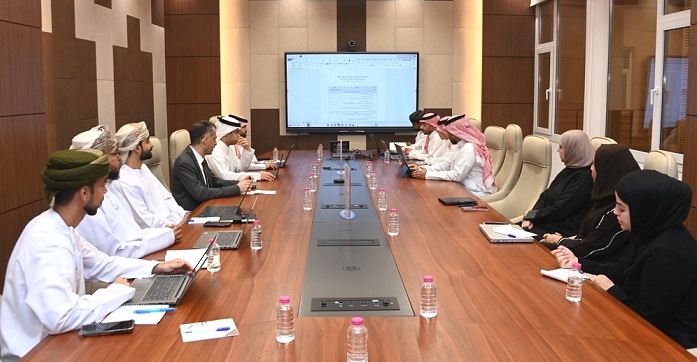
Muscat: The deliberations of three specialised Gulf technical committees commenced on Monday in Muscat, hosted by the Sultanate of Oman and running until 2 July. These committees are tasked with the development and harmonisation of standardisation specifications for the electrical, electronics, and renewable energy sectors. This hosting initiative underscores Oman's pivotal role in supporting the Gulf standardisation ecosystem and enhancing technical integration among the GCC countries.
These meetings come at a time of rapid transformation within the electrical and renewable energy sectors, driven by the global shift toward a green economy and the Fourth Industrial Revolution. Consequently, the continuous updating of standardisation specifications has become imperative to enhance product safety, improve energy efficiency, foster innovation, and bolster consumer and investor confidence.
The meetings encompass the work of the Gulf Technical Committee for Electrical and Electronic Specifications (TC03), the Gulf Technical Committee for Specifications of Electrical Power Generation, Transmission, and Distribution Equipment (TC09), and the Gulf Technical Committee for Renewable Energy and Energy Storage Systems (TC13).
Participating delegations include representatives from the GCC member states and the Republic of Yemen, alongside specialists from the Ministry of Commerce, Industry and Investment Promotion, Nama Electricity Distribution Company, the Electricity Distribution Code Review Council, and a number of private-sector enterprises operating in these fields.
During their sessions, the committees will deliberate on draft standardisation projects outlined in the 2026 Gulf Unified Plan, and examine technical observations submitted by member states. These discussions aim to produce unified Gulf standards that keep pace with global technological advancements, strengthen product safety, elevate energy efficiency, and accelerate the transition toward renewable energy sources.
Dr. Jihad Jabr Al Busaidi, Director of the Specifications Department at the Directorate General of Specifications and Metrology, Ministry of Commerce, Industry and Investment Promotion, stated: "The Sultanate of Oman's hosting of these meetings reaffirms the confidence placed in it by fellow member states, and reflects our firm commitment to contributing to the evolution of the Gulf standardisation framework—thereby serving industrial development and enhancing the competitive edge of the GCC economies."
She added that the gatherings represent a valuable opportunity to deepen technical cooperation, facilitate the exchange of expertise among specialists, and align shared priorities in the electrical and renewable energy domains. This, she noted, will help build a more resilient and sustainable standards framework capable of adapting to global technological shifts.
Dr. Al Busaidi further explained that, under the 2026 Gulf Standardisation Plan, Oman is leading the development of 77 unified Gulf standard projects—of which approximately 85 percent have been completed to date. Among these is the draft standard for "Wind energy generation systems – Part (15-1): Site suitability conditions for wind power plants," which is set to support the expansion of renewable energy projects and enhance the reliability of investments within this sector.
She also highlighted that national technical expertise is actively engaged in reviewing and providing technical opinions on over 225 additional draft Gulf standards prepared by other member states—part of Oman's broader efforts to contribute to a unified Gulf standardisation system that aligns with international best practices.
Standards and specifications are gaining heightened significance amidst the ongoing transitions in the electricity and energy sectors and the growing adoption of green economy applications. Their role is critical in raising product and service quality, optimising energy efficiency, enabling innovation, and facilitating intra-regional trade—all of which align with the strategic objectives of Oman Vision 2040 to diversify the economy, empower national industry, and attract foreign investment.
The outcomes of these meetings are anticipated to deliver a substantial boost to the Gulf standardisation journey, further strengthening a standards framework that is both agile and sustainable—capable of responding to technological disruptions and realising the GCC's shared aspirations for a more integrated and prosperous economic future.