Sunday 17 / May / 2026
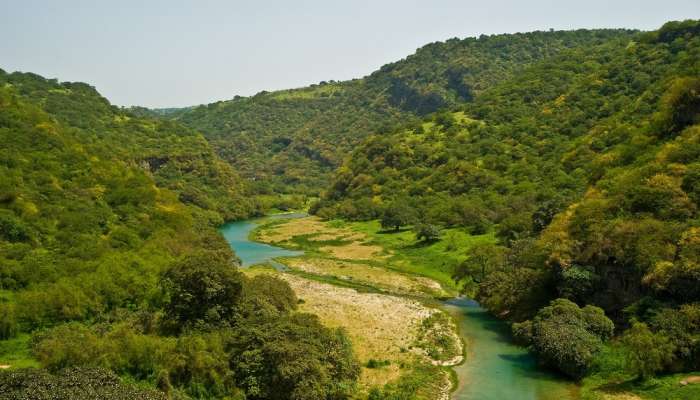
Muscat: The Environment Authority said the Sultanate of Oman is witnessing gradual improvement in vegetation cover, expansion of green spaces, and better ecosystem stability through afforestation and environmental rehabilitation programmes.
Dr. Mohammed bin Rashid Al-Maamari, Director of the Agriculture and Nurseries Department at the Authority, said scientific indicators show improved vegetation density, recovery of natural habitats, return of some wildlife species, and enhanced biodiversity in several regions across Oman.
He noted that mangrove ecosystems have shown significant progress, contributing to stronger coastal protection, improved blue carbon storage, and increased resilience against desertification and soil erosion.
According to Al-Maamari, the Authority uses remote sensing technologies, satellite imagery, geographic information systems and field surveys to monitor vegetation cover, assess environmental changes and evaluate sustainability rates at afforestation sites.
He explained that the National Plan to Combat Desertification (2018–2030) focuses on restoring degraded lands, expanding afforestation using native tree species, improving rangeland management, increasing water-use efficiency, strengthening environmental monitoring and promoting community participation in environmental initiatives.
The plan is now being integrated with the national “Plant Oman 2050” project, which aims to support environmental sustainability, food security and climate action under Oman Vision 2040 and Oman’s carbon neutrality target for 2050.
Al-Maamari said the National Initiative to Plant 10 Million Trees, launched in 2020 and continuing until the end of 2025, produced strong environmental results.
The initiative included planting more than 59 million wild tree seeds, cultivating over 856,000 wild trees, distributing more than 652,000 trees and planting over 11.3 million mangrove trees.
He added that sustainability rates reached 76 per cent for mangrove trees, 60 per cent for cultivated wild trees and 86 per cent for distributed trees.
The initiative also helped improve coastal ecosystems, enhance biodiversity, raise public environmental awareness and support Oman’s transition towards net-zero emissions.
Among the key projects implemented by the Environment Authority are mangrove cultivation programmes, rehabilitation of degraded environmental sites, green fence development, community afforestation campaigns, distribution of wild trees to institutions and individuals, and the use of modern environmental monitoring technologies.
Al-Maamari said studies and field surveys conducted in cooperation with universities and research institutions confirmed the positive impact of afforestation and environmental rehabilitation efforts, especially in mangrove areas. The studies highlighted the importance of using native species adapted to the Omani environment and adopting suitable irrigation methods to ensure long-term sustainability.
He described “Plant Oman 2050” as a strategic national initiative that will be implemented in phases, including identifying suitable cultivation sites, conducting environmental and technical studies, developing nurseries, encouraging private-sector participation and applying modern monitoring technologies.
The project’s main pillars include sustainable afforestation, food security, mangrove ecosystem sustainability, natural resource management, green investment and the development of sustainable cities and governorates.
The initiative aims to plant 100 million mangrove trees, expand fruit tree cultivation, increase planting of native wild species, establish green belts and support the development of forests, national parks and green urban areas.
Al-Maamari said the project is expected to significantly expand Oman’s green areas over the next decade, improve carbon absorption capacity, create green investment opportunities and jobs, strengthen food security and reinforce Oman’s regional role in environmental and climate initiatives.
He stressed that the achievements so far reflect strong cooperation between government institutions, the private sector and society in building a more sustainable environment for future generations.