Wednesday 23 / September / 2026
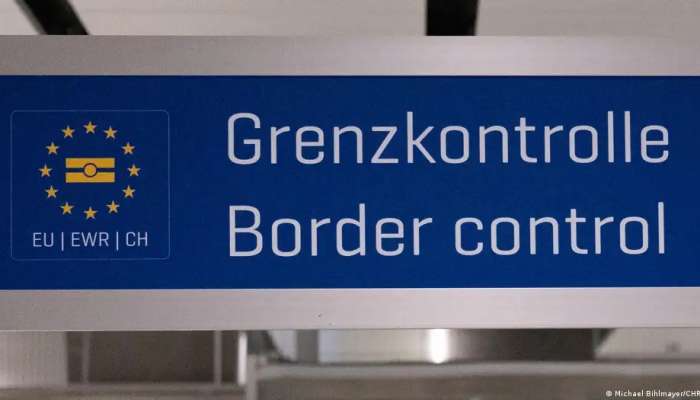
Brussels: European Union (EU) interior ministers on Monday advanced a sweeping overhaul of the bloc's migration system, agreeing to new rules on deportations, asylum processing and financial burden-sharing after years of political division.
Key points from the EU's migration reforms:
Streamlined deportations and increased detentions
Adoption of "safe third country" and "safe country of origin" lists
Creation of a €430 million ($500 million) solidarity pool
Additional plan for 21,000 relocations
Three solidarity options: relocations, funding, alternative measures
Cyprus, Greece, Italy and Spain identified as countries under highest pressure
What are the responses to the EU's asylum reform plan?
EU ministers said the changes will allow faster rejection and return of people not eligible for asylum.
"We will be able to reject people that have no reason for asylum in Europe… and return them faster," Danish Taxation Minister Rasmus Stoklund said. "It should not be human smugglers that control the access to Europe."
Officials argued the pact will help restore trust, with EU migration commissioner Magnus Brunner adding: "It is important to give the people also the feeling back that we have control over what is happening."
However, rights groups have moved to condemn the measures as Amnesty International's Olivia Sundberg Diez likened the reforms to the Trump administration's crackdown.
She urged lawmakers to block them, warning they "will inflict deep harm on migrants and the communities that welcome them."
French Green lawmaker Melissa Camara called the changes "a renunciation of our fundamental values and human rights."
Asylum reforms meet renewed political friction
The overhaul builds on the EU's new Pact on Migration and Asylum, which includes expanded deportation measures and the creation of "return hubs" for rejected asylum-seekers, potentially located inside or outside the EU.
Countries such as Austria and Denmark are expected to seek partners abroad to host such centers.
Some members remain opposed to taking in asylum-seekers or providing funds.
After Monday's meeting, German Interior Minister Alexander Dobrindt said Germany would not accept additional asylum seekers and would not offer financial support.
The reforms come amid a rise in anti-migration politics and far-right parties in European countries.