Thursday 29 / January / 2026
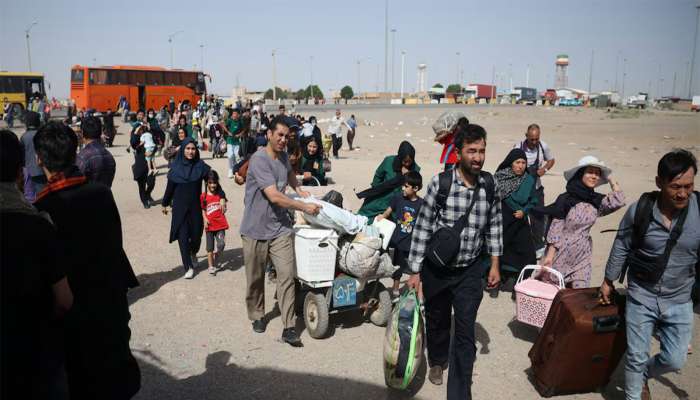
Kabul: More than 4.8 million Afghan migrants have returned to Afghanistan since December 2023, leading to a population increase of approximately 12 per cent, as the country experiences one of the largest return movements in recent years.
Explaining the scale of the influx, UNHCR Representative Arafat Jamal told Tolo News that arrivals have surged to unprecedented levels, with tens of thousands crossing borders daily during peak periods.
Highlighting the scale, he noted that on one working day during the summer alone, 70,000 people entered Afghanistan through the Islam Qala border.
According to Jamal, 91 per cent of returnees have since been relocated to their home provinces, while others have begun rebuilding their lives in major cities.
Arafat Jamal, UNHCR Representative, stated, "The numbers are huge. Since September 2023, which is when we saw the beginning of the so-called illegal foreigners repatriation plan by Pakistan, we have seen 4.8 million Afghans return to this country from both Pakistan and Iran.
"And if we look at 2025 alone, it's 2.7 million. If you look at the number of 4.8 million, this is around 12% of the total population of Afghanistan. So it's increased by 12% of its population."
Beyond the scale of returns, Jamal highlighted growing humanitarian concerns, noting that 30 per cent of returning families are headed by women, and that more than half of all returnees are women and children, Tolo News reported.
Jamal added, "More than 50% of the returnees are women and children. This is deeply concerning.
"I personally feel distressed when I see a 12-year-old girl returning to Afghanistan, uncertain about what her future will look like."
Addressing regional dynamics, Jamal criticised the manner in which Afghan migrants are being expelled from Iran and Pakistan, warning that such practices undermine efforts to build constructive relations with Afghanistan.
He urged both countries not to damage their long-standing record of hosting Afghan refugees, according to Tolo News.
He further revealed that the United Nations had invited stakeholders to engage in dialogue over forced deportations, but those efforts failed to materialise.
Arafat Jamal explained, "This year, we once again tried to bring parties to the table for dialogue. However, due to various reasons, including the war in Israel and other political matters, they did not engage in talks. Iran recently hosted a conference which Afghanistan did not attend, but we still sent invitations urging all parties to return to the dialogue table. We encourage them to do so. In dialogue, there is nothing to lose but much to gain."
He added that UNHCR's mission in Afghanistan remains focused on ensuring the voluntary, dignified, and orderly return of Afghan migrants, while also helping returnees contribute to peace, stability, and economic development in the country, Tolo News reported.